Chad Rubin
November 7, 2025 · Updated May 11, 2026 · 7 min read
Operator notes by email
Short, opinionated takes on AI agents, Amazon PPC, pricing, and inventory. No fluff. About once a week.
Amazon's marketplace in 2025 demands a sophisticated understanding of both pricing and pay-per-click advertising for private-label brands to thrive. The rapid evolution of digital retail strategies has made it essential for sellers to harness intelligent tools and data-driven insights rather than rely on intuition alone. This article explores how Amazon pricing and PPC intertwine as complementary forces that drive profitability and sales velocity. In today's competitive environment, costs are rising, automation is becoming standard, and strategy integration separates successful sellers from those struggling to maintain market share. Mastering Amazon PPC and pricing optimization strategies isn't just advantageous—it's fundamental to sustainable growth on the platform.
Amazon PPC is an advertising system where sellers bid on keywords and only pay when users click their ads, driving targeted shoppers directly to product listings. This auction-based model operates in real-time, with campaign costs fluctuating based on competition and keyword demand. Unlike traditional advertising, Amazon PPC places products directly in front of customers already searching for related items, making it one of the most effective customer acquisition channels available to sellers.
In 2025, paid advertising has become essential even for highly optimized listings. Organic visibility alone rarely sustains sales momentum in competitive categories, making PPC a critical component of any successful Amazon strategy. The platform's algorithm increasingly favors listings that demonstrate strong performance metrics, which PPC campaigns help establish and maintain.
The relationship between PPC and pricing creates a powerful synergy. Higher ad visibility supports product pricing power by increasing brand awareness and perceived value. Conversely, competitive pricing can reduce customer acquisition costs and improve ad effectiveness by boosting conversion rates. When prices are optimized for both profitability and market competitiveness, PPC campaigns achieve better performance metrics, creating a virtuous cycle of improved visibility and sales growth.
Cost-per-click represents the amount paid each time someone clicks an Amazon ad. Average PPC cost-per-click ranges from $0.05 to $10, with the platform average sitting around $1.78 in 2025. Rates increase significantly in competitive categories like electronics or supplements, where CPCs can exceed $5, while niche categories often enjoy lower costs between $0.50 and $1.00.
Advertising Cost of Sale (ACoS) measures the percentage of ad spend relative to ad-attributed sales. The average ACoS hovers around 25%, though top-performing brands achieve as low as 15% through expert optimization. Understanding these benchmarks helps sellers set realistic expectations and identify optimization opportunities.
From reading to action
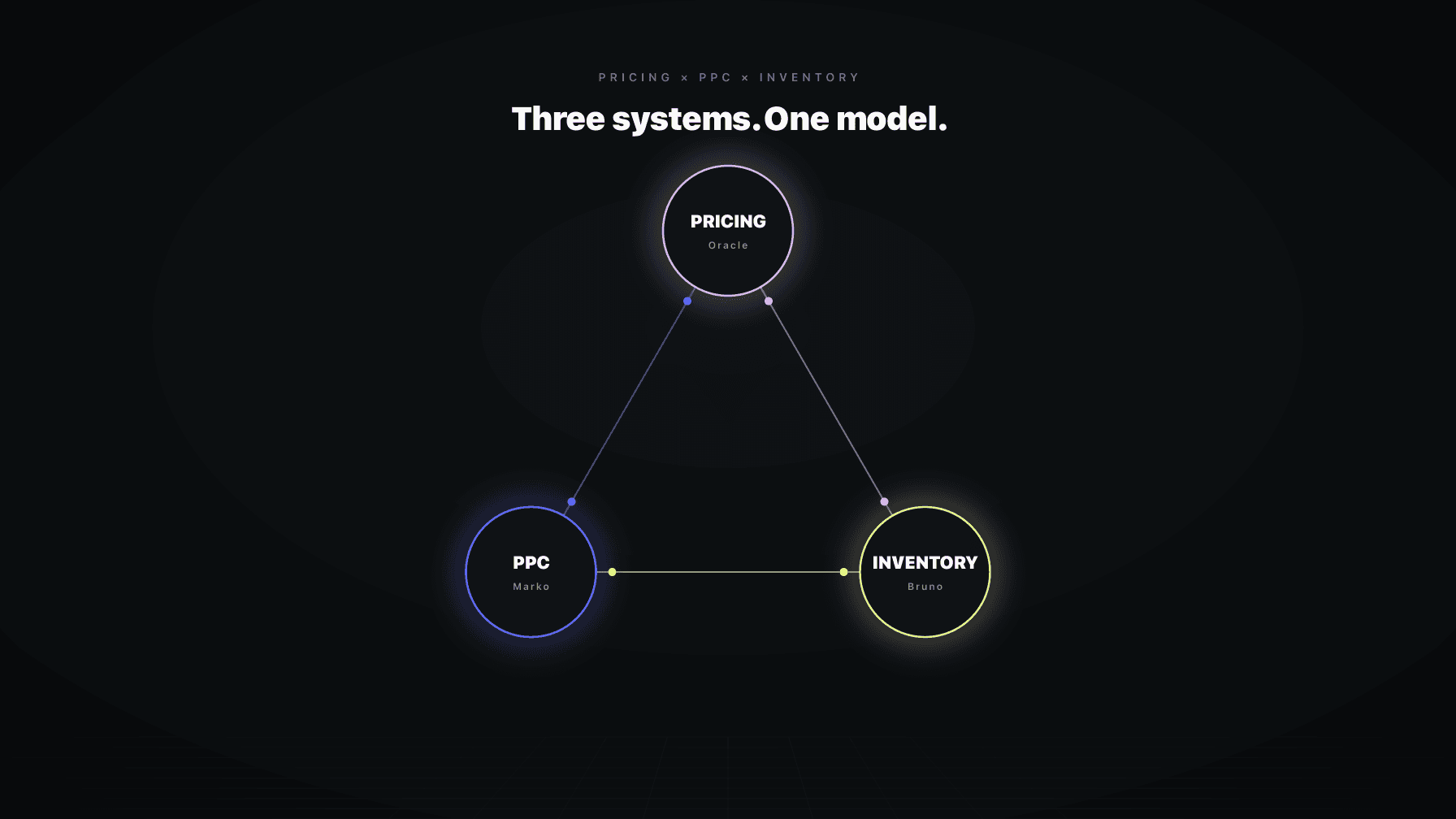
If the framework above sounds familiar, your Amazon account is probably carrying the same drag. Apply and we will show what Marko, Oracle, and Bruno would change in your first week.

Ran a 7-figure Amazon brand for a decade. Founded Skubana (acquired). Co-founded Prosper Show. 15+ years on Amazon.
Join the brands that replaced agencies and tools with AI employees.
Recent market trends reveal the intensifying competition on Amazon's advertising platform:
Successful Amazon PPC management requires continuous refinement and strategic thinking beyond basic campaign setup. The most effective approach centers on bidding strategically on high-converting keywords based on real-time auction insights. This data-driven methodology ensures ad spend targets the most valuable traffic rather than casting a wide, expensive net.
Automation tools have revolutionized PPC efficiency, with sellers using automated bid management seeing up to 50% reduction in wasted ad spend. Profasee’s solutions enable these systems to adjust bids continuously based on performance data, responding to market changes faster than manual management allows.
Negative keyword implementation represents one of the fastest optimization wins available. Adding negative keywords to prevent ads from showing for irrelevant searches can reduce ACoS by 10-20% overnight, eliminating wasted clicks from unqualified traffic. Regular keyword list refreshes, performed monthly, typically deliver 22% higher ROI compared to static keyword sets.
Focus ad investment on products with healthy profit margins—ideally 30-35% or higher. Lower-margin products struggle to generate profitable returns from PPC campaigns, as advertising costs can quickly erode already thin profits. Regular campaign audits should examine keyword performance, search term reports, and conversion metrics to identify optimization opportunities and eliminate underperforming elements.
Coordinated pricing and PPC strategies maximize profit rather than just sales volume. Competitive pricing directly boosts conversion rates, with Amazon's average conversion rate sitting around 10%, and improves Buy Box eligibility. These factors amplify ad performance by ensuring that paid traffic converts at higher rates, reducing customer acquisition costs and improving campaign ROI.
The relationship between pricing and PPC profitability follows a clear guideline: Amazon PPC keyword costs should not exceed 2.5% of the sales price for campaigns to remain profitable. This rule helps sellers evaluate whether their current pricing supports sustainable advertising investment or requires adjustment.
Effective integration requires regular reviews of both pricing and advertising performance. When prices increase, monitor how conversion rates and ad performance respond. Similarly, when launching new PPC campaigns, ensure pricing remains competitive enough to support the increased visibility. This coordination prevents situations where great ad performance is undermined by uncompetitive pricing or where excellent pricing fails to drive sales due to poor visibility.
Automation in Amazon PPC involves using software to automatically adjust bids, keywords, and budgets in real-time for improved efficiency and performance. Modern automation systems analyze vast amounts of data continuously, making thousands of micro-adjustments that would be impossible to manage manually.
Sellers implementing automation see remarkable improvements in campaign efficiency. Automated systems reduce wasted ad spend by up to 50% and adjust campaigns 2.4 times faster than manual management. This speed advantage is crucial in Amazon's fast-moving marketplace, where delays in optimization can mean missed opportunities and wasted budgets.
AI-powered elasticity modeling takes automation further by understanding how price changes affect demand and adjusting both pricing and advertising strategies accordingly. These sophisticated systems can identify optimal price points that maximize profitability while maintaining competitive positioning, then automatically adjust PPC bids to support the new pricing strategy.
Advanced automation manages multiple aspects of Amazon selling simultaneously:
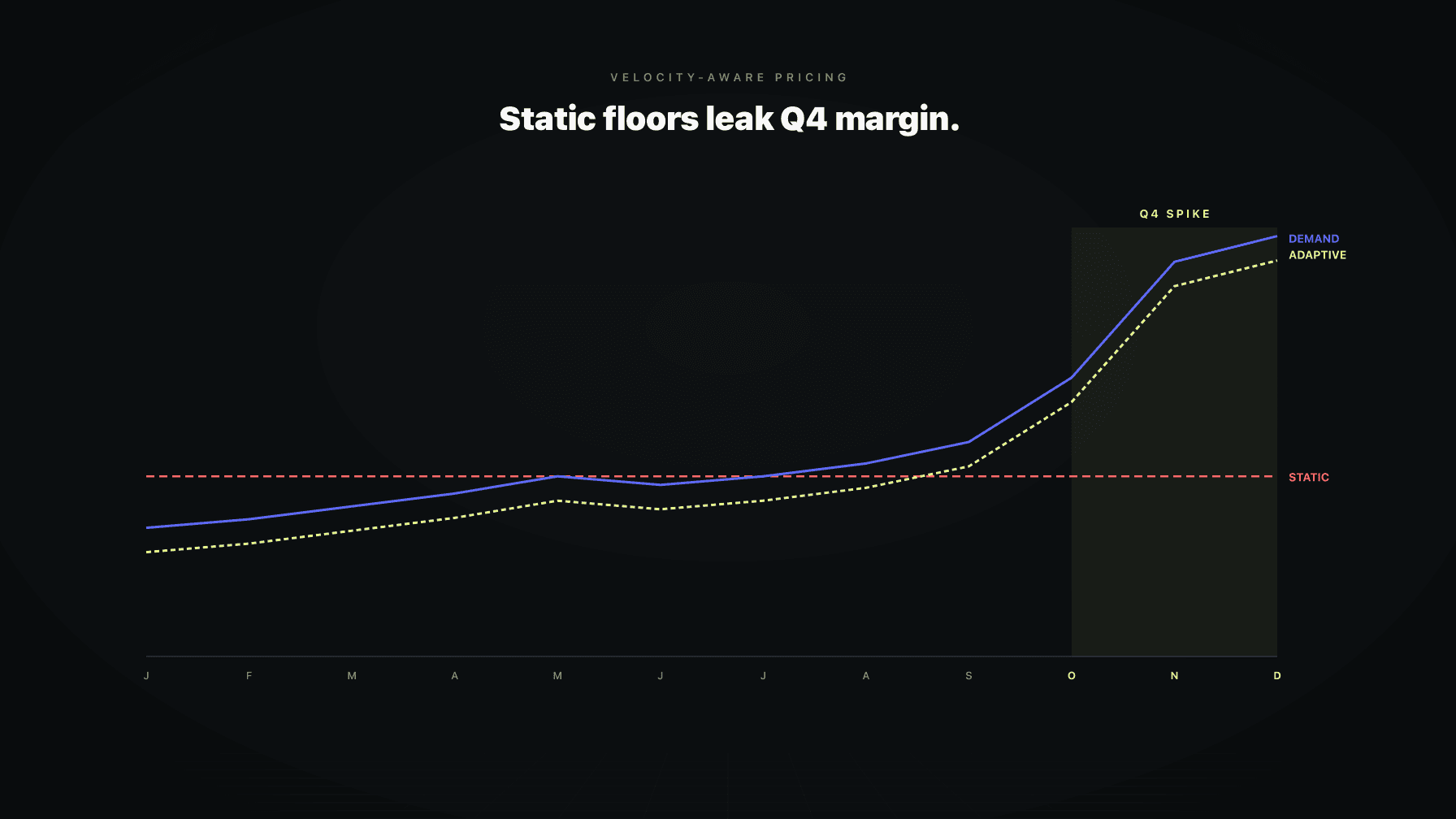
Amazon's advertising costs experience predictable fluctuations tied to shopping seasons and competitive events. PPC costs spike significantly during high-traffic periods like Prime Day and Black Friday as competition intensifies and more sellers increase their advertising budgets simultaneously.
Successful sellers anticipate these patterns by adjusting budgets and strategies proactively. During peak shopping periods, consider increasing ad budgets for top-performing campaigns while maintaining strict ACoS targets. The increased competition may drive up costs, but the higher conversion volume often justifies the investment when managed carefully.
Price wars represent a common but dangerous competitive response that rarely benefits anyone involved. While temporary price reductions can capture market share, sustained price wars erode margins and create unsustainable business models. Instead, focus on value differentiation through improved product features, enhanced listings, or superior customer service that justifies premium pricing.
Planning seasonal campaigns requires advance preparation:
Effective measurement requires tracking multiple interconnected metrics that provide a complete picture of campaign and pricing performance. Cost-Per-Click (CPC) represents the amount paid each time an ad receives a click, serving as a basic efficiency metric for campaign cost management.
Advertising Cost of Sales (ACoS) measures the percentage of ad spend relative to ad-attributed sales, with most successful sellers targeting ACoS under 25% for optimal profitability. However, ACoS targets should align with profit margins—higher-margin products can sustain higher ACoS while maintaining profitability.
Click-Through Rate (CTR) indicates ad relevance by measuring the ratio of clicks to impressions. Higher CTRs suggest that ads effectively match customer search intent and typically correlate with better conversion performance. Conversion Rate measures the portion of ad clicks that result in purchases, with Amazon's average sitting around 10%.
Total ROI and profit margin remain the ultimate success measures. While individual campaign metrics provide operational insights, overall profitability determines long-term sustainability. Regular analysis of these metrics together reveals optimization opportunities and guides strategic decisions about pricing and advertising investment.
Amazon PPC is an advertising system where sellers bid on keywords and only pay when shoppers click their ads. The system operates on a real-time auction model where your bid amount, ad relevance, and campaign performance determine ad placement. When customers search for keywords you're targeting, Amazon's algorithm decides which ads to display based on these factors.
Most successful brands allocate 10-15% of their revenue to Amazon PPC, though competitive niches may require up to 25% to achieve sales goals. Start with a conservative budget and scale up based on performance data. Focus initial spending on your most profitable products with healthy margins to ensure sustainable returns.
Competitive pricing significantly improves your chances of winning the Buy Box and boosts your product's organic ranking. Amazon's algorithm considers price competitiveness as a key factor in both Buy Box selection and search result positioning. Better pricing leads to higher conversion rates, which signals to Amazon that your product provides value to customers.
The most costly mistakes include neglecting regular bid optimization, ignoring negative keywords, and failing to monitor campaign performance consistently. Many sellers also make the error of advertising products with insufficient profit margins or targeting overly broad keywords that generate irrelevant traffic. Set up automated rules and regular review schedules to avoid these pitfalls.
Most sellers begin seeing meaningful improvements within 30-60 days of implementing consistent optimization practices. Initial changes may show results within days, but establishing stable performance patterns and gathering sufficient data for informed decisions requires several weeks. Patience and systematic testing are essential for long-term PPC success.