The Ultimate Guide to Amazon Price Optimization for Private Label Brands
Chad Rubin
December 5, 2025 · Updated May 11, 2026 · 6 min read
Operator notes by email
Short, opinionated takes on AI agents, Amazon PPC, pricing, and inventory. No fluff. About once a week.
When it comes to Amazon, price is a game-changer. Set your price too high, and you risk losing sales velocity. Set it too low, and you slash your margins—and potentially devalue your brand. For private label sellers on Amazon, finding the sweet spot is crucial to maintaining visibility in Amazon’s search results (the SERP), boosting revenue, and warding off competitors.
In this pillar-style guide, we’ll explore how to optimize your pricing strategy on Amazon—without chasing the Buy Box in the same way wholesalers or resellers do. We’ll also dive into the critical differences between private label repricers and Buy Box repricers. By the end, you’ll be armed with concrete tactics and the right tools (like Profasee) to maximize profitability while retaining (or elevating) your Amazon ranking.
1. Why Amazon Price Optimization Is Vital for Private Label Sellers
Sales Velocity Rules the Amazon SERP
Amazon’s ranking algorithm (often referred to as A9) is heavily influenced by sales velocity. Lower sales can drop your product in the rankings, making it harder to stand out to shoppers.
Profit Margins Drive Business Growth
If you’re consistently underpricing, you might move more units—but at what cost? Long-term brand growth depends on sustainable margins.
Brand Equity
Private label sellers typically own their listings outright. The brand’s perceived value is directly tied to the price. Slashing prices not only reduces margin but can also signal to the market that your product is “cheap”—not in a good way.
Emerging Competitor ThreatsIt’s not just about competing with established players; new private label brands enter the fray daily. They’ll be scraping your price and trying to undercut you. Your best defense is an agile pricing strategy.
2. Understanding Private Label vs. Buy Box Repricers
Private Label Repricers
Who Uses Them? Private label brand owners who typically have exclusive control over their product listings.
What Do They Optimize? Rather than battling for the Buy Box against multiple sellers, private label repricers adjust the price to balance sales velocity, profit margins, and ranking stability.
Key Advantage: You own the listing, so the repricer focuses on overall market demand, competitor products in your niche, and your inventory/sales strategy—not on chasing the lowest price for a shared ASIN.
Buy Box Repricers
Who Uses Them? Sellers who compete with other merchants on the same listing (e.g., wholesale or retail arbitrage).
What Do They Optimize? Constantly analyzing competition on the same ASIN to either match or slightly undercut, with the goal of winning the Buy Box.
From reading to action
See what Profasee Ultra would do on your account.
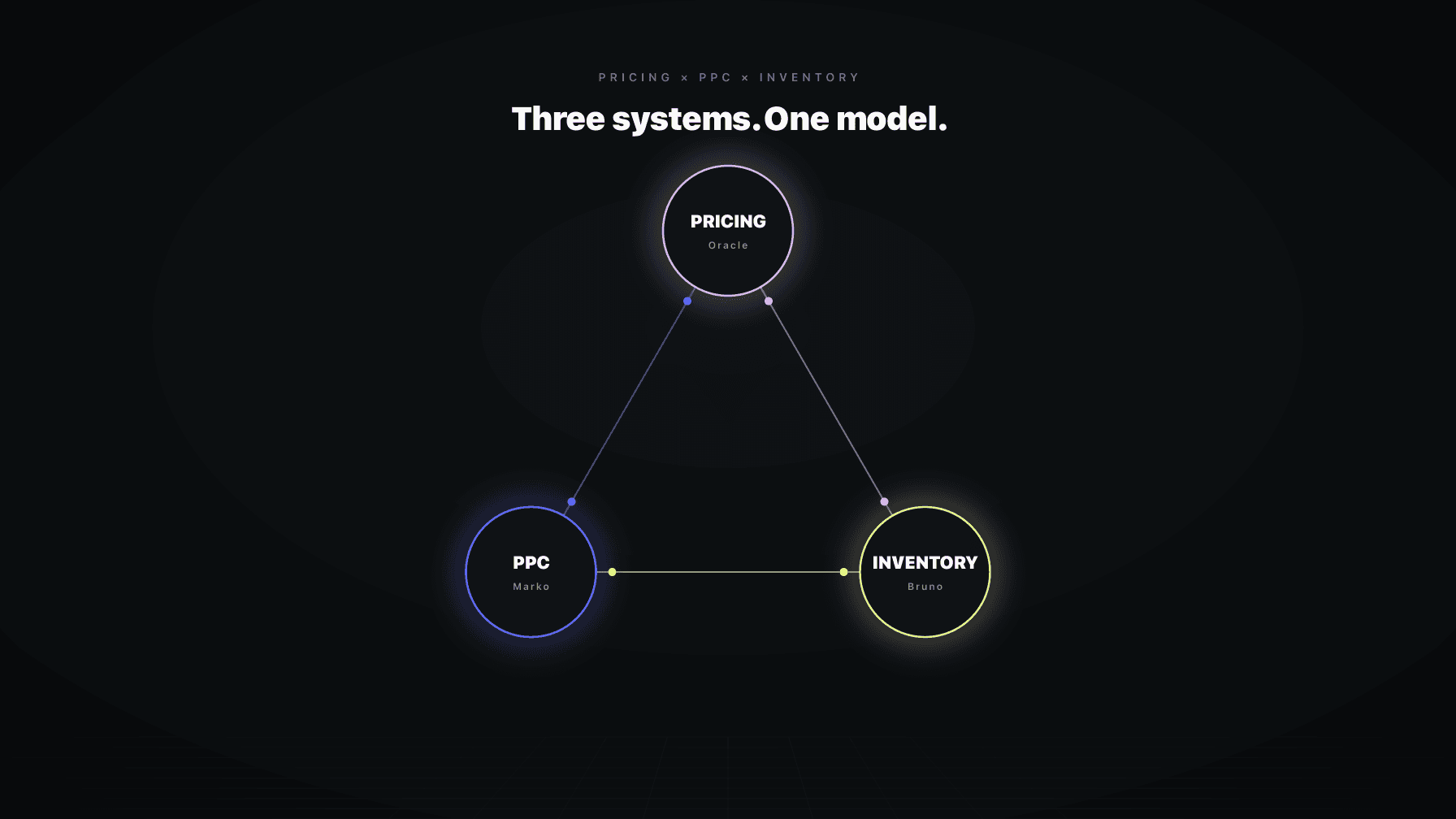
If the framework above sounds familiar, your Amazon account is probably carrying the same drag. Apply and we will show what Marko, Oracle, and Bruno would change in your first week.
Starts in read-only modeApplication-only onboardingGuardrails before action
Key Drawback for Private Label: If you’re the only seller, a traditional Buy Box repricer offers little strategic benefit. Your main competition is other brands in your category, not the same listing.
Bottom Line
Private label brands need a different approach—one that safeguards brand equity and ranking by adjusting prices based on market signals, not just other sellers on the same ASIN.
3. Key Metrics for Amazon Price Optimization
3.1 Cost of Goods Sold (COGS)
Every pricing strategy must start here. Understand your manufacturing, shipping, FBA fees, and any additional overhead. This is the bare minimum you must cover to avoid selling at a loss.
3.2 Minimum and Maximum Price Thresholds
Minimum Price: Below this, you compromise margins or brand perception.
Maximum Price: Beyond this, conversions may plummet, hurting your sales velocity (and ultimately your ranking).
3.3 Amazon Search Ranking Impact
On Amazon, maintaining a high sales velocity is key to ranking well. If your price is too high and sales slow, your product may slip in the listings. Likewise, if your price is too low, you might sell more units short-term but leave money on the table—and possibly degrade your brand’s perceived value.
3.4 Product Reviews & Seller Feedback
Pricing can impact customer satisfaction. If you’re charging a premium, customers expect top-tier quality. Manage these expectations properly to maintain high star ratings and positive feedback—both essential for fueling organic ranking.
4. Strategies to Optimize Pricing Without Losing Amazon Rank
4.1 Competitor Analysis—The Private Label Way
Identify Niche Rivals
Look for products similar to yours rather than focusing on the same ASIN. Identify their price points, read reviews to see if they’re undercutting you on value or quality, and note their average review rating and count.
Monitor Market Trends
Use tools like Amazon’s Brand Analytics or third-party data platforms to see search volume, emerging keywords, and competitor price changes. Regularly track how these shifts might affect your positioning.
Watch New Entrants
New private label brands can be disruptive. Keep an eye on recently launched products with a strong marketing push.
4.2 A/B Testing on Amazon
Split Test Pricing: If you have Brand Registry, you can use Amazon’s Manage Your Experiments (for certain elements like A+ Content, not directly for price) or run sequential tests where you adjust pricing for a set period.
Evaluate Data: Check changes in sales velocity, ranking, and overall profitability to see if the new price is viable.
Iterate & Refine: Price optimization is an ongoing process. Use incremental changes supported by clear metrics rather than guesswork.
4.3 Utilizing a Private Label Dynamic Repricer (Lead Magnet: Profasee)
For private label sellers, dynamic repricing goes beyond Buy Box strategies. It’s about balancing three main pillars:
Profit Margin
Sales Velocity
Market Position (Ranking)
Enter Profasee—the repricing software designed with private label sellers in mind.
Get Your FREE “Amazon Price Strategy Playbook”
Interested in learning how to set up automated rules that protect your margins and preserve ranking?
Click here to grab your FREE Playbook
(Lead magnet link—replace # with your landing page URL.)
How Profasee Outshines Buy Box Tools
Intelligent Benchmarking: Profasee scrapes competitor listings within your category (not the same ASIN) to gauge potential “price wars.”
Rule-Based or AI-Driven Adjustments: Set minimum/maximum price floors and ceilings, or let AI optimize for your chosen metric—be it profitability or velocity.
In-Depth Analytics: Profasee provides real-time insights into how each price adjustment impacts your ranking, click-through rate, and unit session percentage.
Brand-Centric Approach: Unlike Buy Box repricers that solely focus on undercutting, Profasee ensures you never sacrifice brand value in a race to the bottom.
4.4 Pricing Psychology: Yes, It Still Matters on Amazon
Charm Pricing
Even on Amazon, $19.99 feels less expensive than $20.00. Small distinctions can boost conversions.
Promotional Badges
Amazon frequently highlights discounts. If you list a higher “list price” and show a coupon or markdown, it can improve click-through rate.
Subscribe & Save
If applicable, offer a discount for repeat orders. This not only locks in loyal customers but also drives consistent sales velocity—positively influencing your ranking.
5. Monitoring and Maintenance
5.1 Daily Check: Competitor Movements
Look for sudden price drops or new product launches.
Use a dynamic repricer or manual checks to adapt quickly.
5.2 Weekly Review: Performance Metrics
Sales Velocity: Are you hitting or exceeding your desired daily/weekly targets?
Conversion Rate: Has it dipped or spiked after a price change?
Ad Spend (If Using PPC): If you’re running Sponsored Ads, factor in your ACoS and TACoS to ensure you maintain profitability.
5.3 Monthly Analysis: Long-Term Trends
Profit & Loss: Confirm that your strategy still aligns with your business goals.
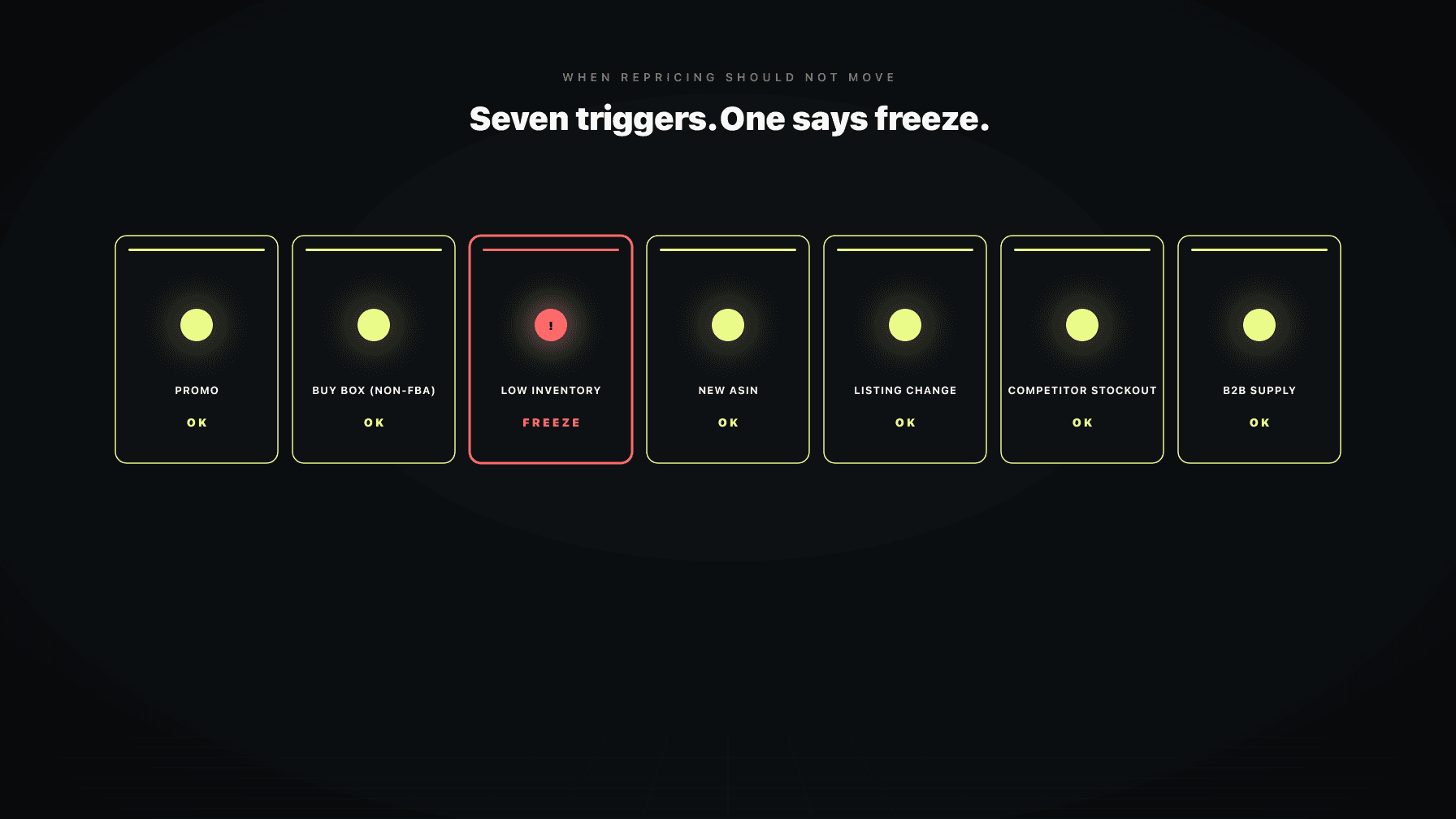
Inventory Levels: Price changes can affect your rate of sale. Avoid FBA storage fees or stockouts by forecasting carefully.
6. Common Pitfalls (and How to Avoid Them)
Underpricing for Quick Wins
Why It’s a Problem: You might spike sales temporarily, but consistent underpricing erodes margins and can hurt brand perception.
Solution: Use a dynamic repricer like Profasee with a set minimum floor.
Overpricing Without Justification
Why It’s a Problem: A premium price tag with no clear differentiation leads to lower sales velocity, hurting your ranking.
Solution: Justify premium pricing with strong branding, top-notch reviews, and clear product benefits.
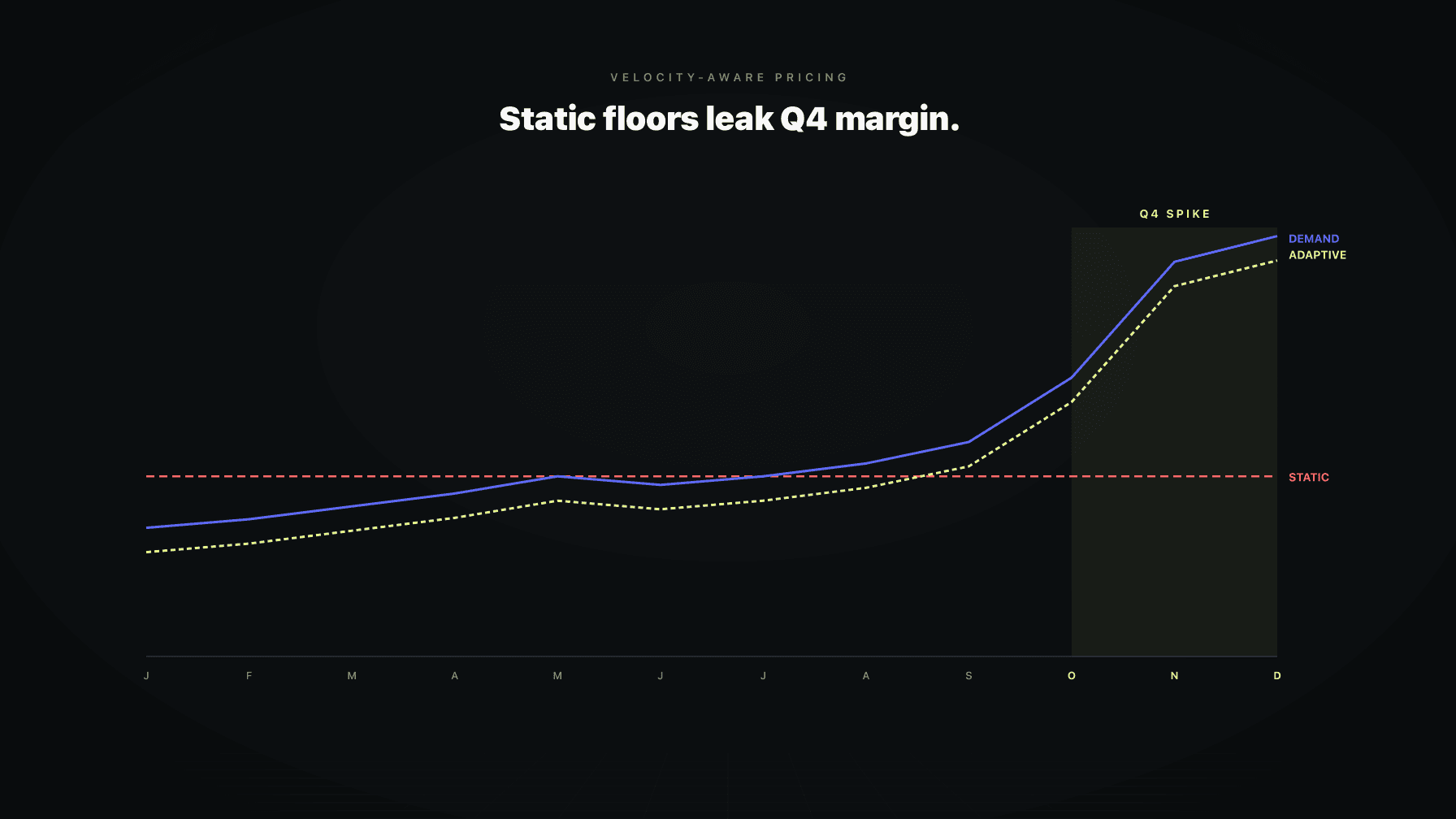
Ignoring Seasonal Trends
Why It’s a Problem: Your optimal price in Q4 might differ from Q1 if your product is seasonal.
Solution: Track historical sales data and set rules for peak vs. off-seasons.
Relying on Buy Box Repricers
Why It’s a Problem: You’re not actually competing for the Buy Box; you own the listing. A typical Buy Box repricer could continuously lower your price in the absence of other sellers, destroying your margin.
Solution: Choose a private label-focused repricer (like Profasee) that aligns with your brand strategy.
7. Action Steps to Supercharge Your Amazon Price Optimization
Calculate Your Baseline
Determine COGS, break-even point, and desired profit margins.
Analyze Your Competitors
Identify top-performing rival products. Examine their pricing, listing quality, and reviews to find points of differentiation.
Set Repricing Rules
Implement min/max thresholds in a private label repricer. Focus on sales velocity and brand positioning, not just beating the next guy’s price.
Test Different Price Points
Run sequential (manual) A/B tests or rely on your repricer’s advanced algorithms to find your sweet spot.
Monitor Metrics Religiously
Keep an eye on sales velocity, ranking, conversion rates, and profit margins. Adjust as needed, but don’t flip-flop without actionable data.
Leverage Promotions Wisely
Coupons, Lightning Deals, or Subscribe & Save offers can maintain ranking momentum while preserving a healthy price.
Scale Mindfully
As you add more products or expand to new categories, repeat the entire optimization process. Pricing success is not a one-time event.
Conclusion
Price optimization on Amazon for private label brands isn’t about a race to the bottom or blindly matching competitor prices on a shared ASIN—because you own your listing. It’s about finding the perfect balance between maximizing profits and maintaining sales velocity that keeps you at the top of Amazon’s search results.By understanding the difference between a private label repricer and a Buy Box repricer, you’ll avoid catastrophic pricing mistakes and keep your brand’s reputation intact. Tools like Profasee can automate this process by scraping the competition’s category-level data, helping you maintain a profitable, ranking-friendly price point.